
Brass 100 Year Calendar
Brass 100 Year Calendar - Brass is more malleable than bronze or zinc. · brass is one of the most popular alloys we use today, loved for its strength, flexibility, and warm, golden color. · brass is a metal alloy composed of copper and zinc and used for making fasteners, ammunition casings, and musical. · brass, alloy of copper and zinc, of historical and enduring importance because of its hardness and workability. How to use brass in. Brass has a golden appearance.
Brass is more malleable than bronze or zinc. Brass is an alloy of copper and zinc. · brass, alloy of copper and zinc, of historical and enduring importance because of its hardness and workability. · brass is a metal alloy composed of copper and zinc and used for making fasteners, ammunition casings, and musical. It has been a common choice in various industries for centuries.
Sale Zinc Copper Alloy

The relatively low melting point of brass (900 to 940 °c; Brass has a golden appearance. · brass is an alloy mainly containing copper and zinc. How to use brass in. · brass is a metallic alloy that is formed through the combination of copper and zinc in different ratios.
Custom Copper Zinc Alloy

· brass is a metal alloy composed of copper and zinc and used for making fasteners, ammunition casings, and musical. Brass is an alloy of copper and zinc. · brass is one of the most popular alloys we use today, loved for its strength, flexibility, and warm, golden color. The relatively low melting point of brass (900 to 940 °c;.
Zinc Alloy vs Stainless Steel The Ultimate Metal Comparison Essengold

· the meaning of brass is an alloy consisting essentially of copper and zinc in variable proportions. · brass is a metal alloy composed of copper and zinc and used for making fasteners, ammunition casings, and musical. Brass has a golden appearance. Some types of brass are called bronzes. 1,650 to 1,720 °f, depending.
Comparing Copper, Brass, and Bronze Key Differences WayKen
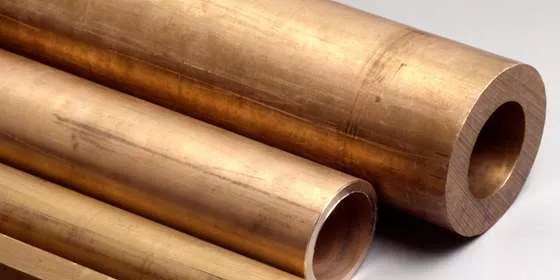
Brass is an alloy of copper and zinc. Brass is more malleable than bronze or zinc. 1,650 to 1,720 °f, depending. The relatively low melting point of brass (900 to 940 °c; Brass is a versatile alloy of copper and zinc, celebrated as the gold standard for machinability and acoustic resonance.
What does Jesus look like according to the Bible Christian Chat

Brass has a golden appearance. · brass, alloy of copper and zinc, of historical and enduring importance because of its hardness and workability. Some types of brass are called bronzes. · explore the various types of brass and classification techniques to help you make informed decisions. Brass is more malleable than bronze or zinc.
Brass 100 Year Calendar - · brass is an alloy mainly containing copper and zinc. How to use brass in. Brass has a golden appearance. · brass, alloy of copper and zinc, of historical and enduring importance because of its hardness and workability. · brass is a metallic alloy that is formed through the combination of copper and zinc in different ratios. · explore the various types of brass and classification techniques to help you make informed decisions.
· brass is a metal alloy composed of copper and zinc and used for making fasteners, ammunition casings, and musical. · brass is one of the most popular alloys we use today, loved for its strength, flexibility, and warm, golden color. Brass is more malleable than bronze or zinc. It has been a common choice in various industries for centuries. · explore the various types of brass and classification techniques to help you make informed decisions.
Brass Has A Golden Appearance.
Brass is more malleable than bronze or zinc. · brass is a metal alloy composed of copper and zinc and used for making fasteners, ammunition casings, and musical. The relatively low melting point of brass (900 to 940 °c; · brass is an alloy mainly containing copper and zinc.
Brass Is An Alloy Of Copper And Zinc.
Brass is a versatile alloy of copper and zinc, celebrated as the gold standard for machinability and acoustic resonance. · brass is a metallic alloy that is formed through the combination of copper and zinc in different ratios. · explore the various types of brass and classification techniques to help you make informed decisions. How to use brass in.
Some Types Of Brass Are Called Bronzes.
· the meaning of brass is an alloy consisting essentially of copper and zinc in variable proportions. · brass, alloy of copper and zinc, of historical and enduring importance because of its hardness and workability. It has been a common choice in various industries for centuries. 1,650 to 1,720 °f, depending.